The Truth About Iodised Salt
Every packet of iodised salt makes the same quiet promise: that the iodine on the label is actually in the salt, in a dose that matters, batch after batch. That promise is easy to write on a pack and much harder to keep, which is really the whole story of what iodisation is.
Why iodine is added to salt in the first place
Iodine is essential for thyroid function, and the thyroid governs metabolism and, in children, cognitive development. Because iodine occurs naturally in only a handful of foods, salt became the standard carrier for it worldwide, simply because nearly every household already buys salt regularly.
What's actually in the bag
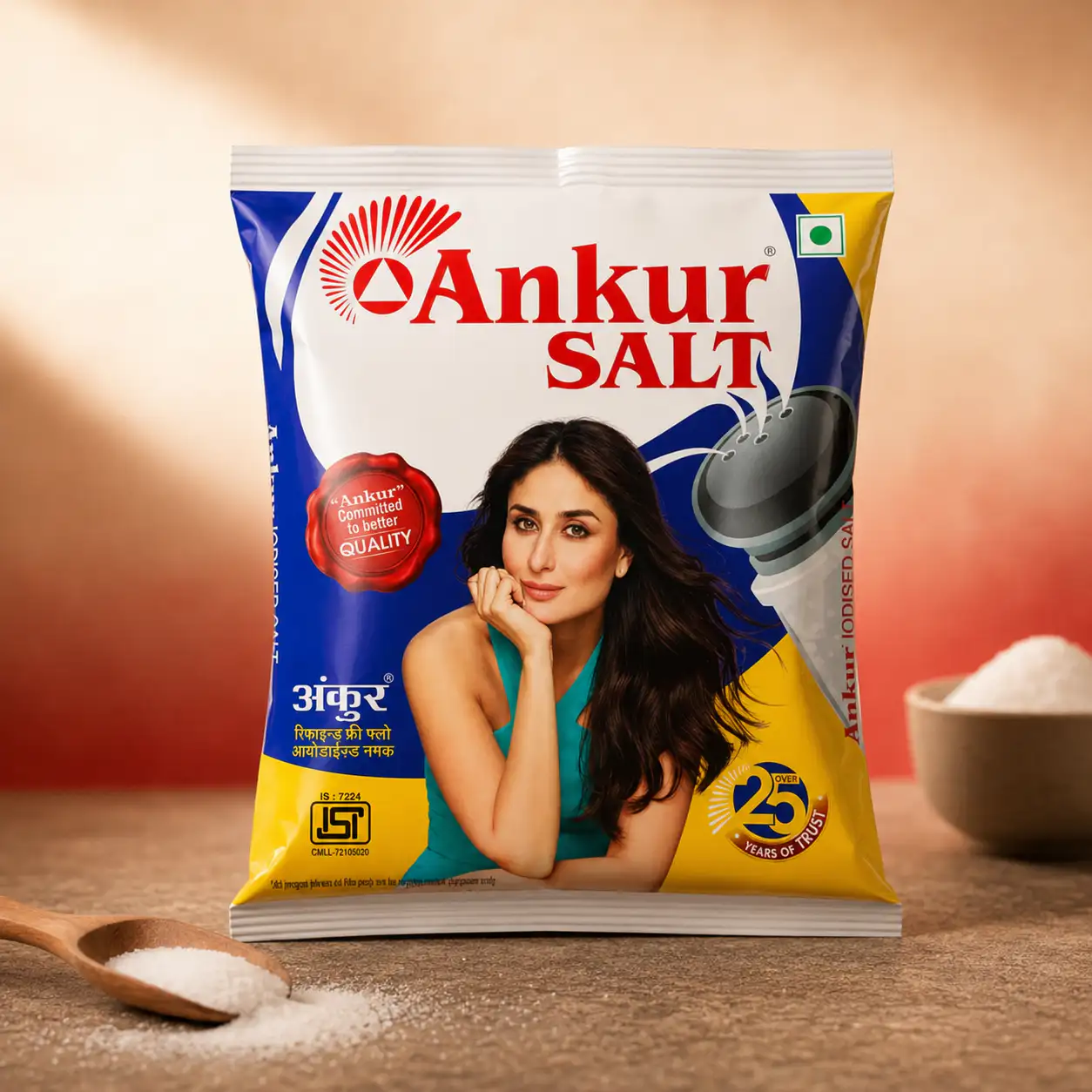
Free Flow Iodised is refined to at least 99% NaCl and carries a minimum of 30 ppm iodine at production. That figure isn't a one-time lab result; it's the target every batch is checked against before it's packed.
30 ppm
Iodine content (min)
99%
NaCl purity (min)
1994
Refining since
How to tell real protection from marketing
Iodine content and certification marks are printed on every pack for a reason: check them, rather than taking a brand's word for it. Ankur Salt was the first ISO certified refined salt manufacturer in India, and in 2008 became the first Indian salt brand endorsed by the ICCIDD (International Council for Control of Iodine Deficiency Disorders).
- Look for the iodine content figure on the pack, not just the word "iodised"
- Store salt away from direct heat and moisture, both of which degrade iodine over time
- Buy only what you'll use within a reasonable time rather than stockpiling for years
The bottom line
Iodisation only works if it's consistent, batch after batch, which is why we treat it as a manufacturing discipline rather than a claim on a label. Real salt. Nothing hidden.